

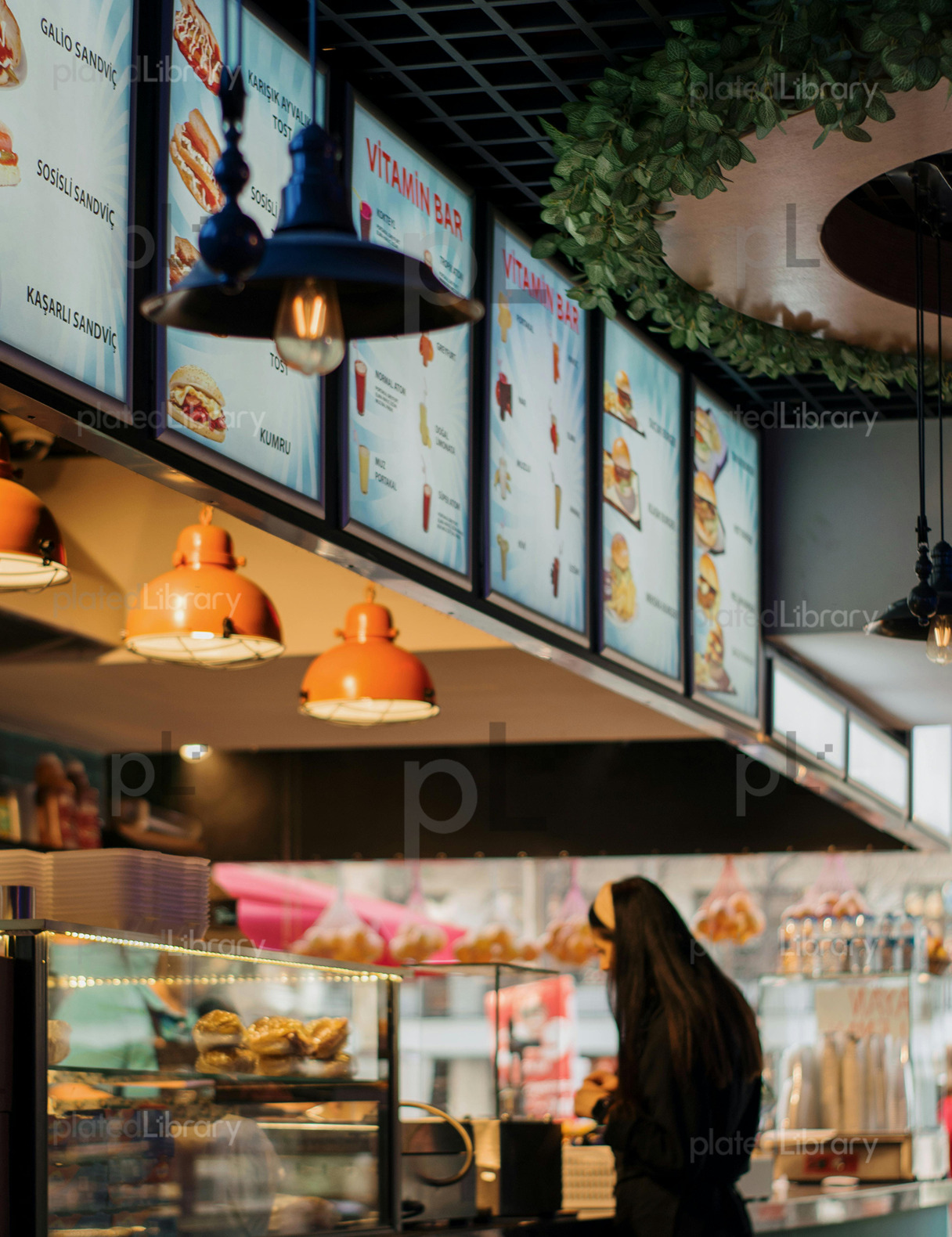
Have you ever wondered why a customer opens your restaurant on Zomato or Swiggy, scrolls through the menu, and still leaves without ordering, despite competitive pricing and strong ratings? And why do certain dishes consistently get selected within seconds while others remain untouched?
The answer lies in decision friction at the visual level. Data from food delivery behavior shows that users spend less than 8 seconds scanning a menu before making a choice or exiting, and within that window, images, not descriptions, drive attention and action.
This means your menu is not competing on food quality first. It is competing on visual clarity, structure, and decision speed.
So the focus shifts from uploading images to engineering images that actively increase order conversion across Zomato, Swiggy, and digital menus.
How Food Images Function as a Conversion System Across Platforms
Food images are not decorative elements. They act as micro decision points that either move the user forward or create hesitation.
1. Thumbnail-Level Clarity Determines Click Entry
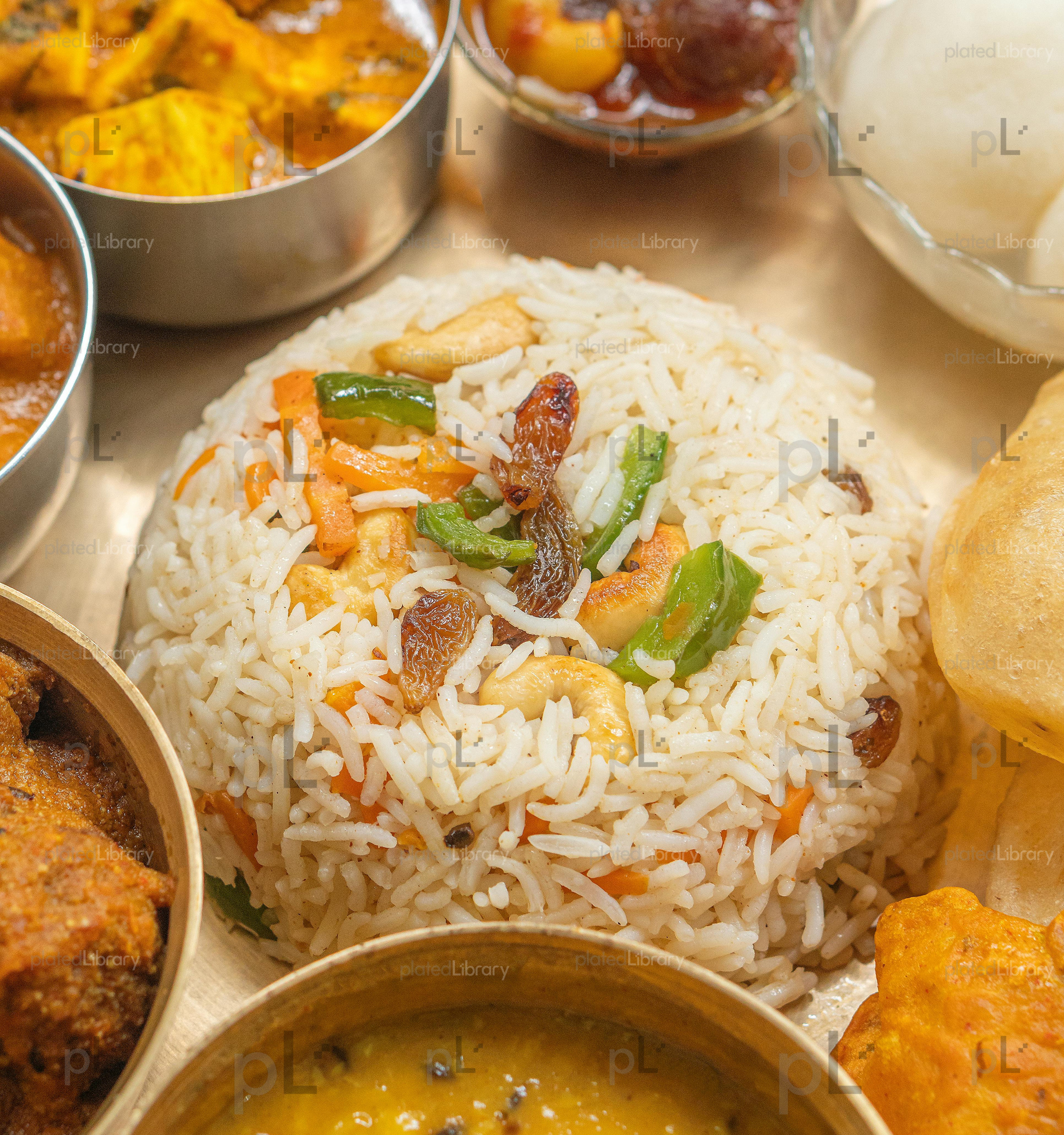
On Zomato and Swiggy, the first interaction happens at the thumbnail level, not the full image. If the dish is not identifiable within a small frame, it fails immediately.
High-performing menu images are structured to:
- Keep the main item centered and dominant
- Avoid excessive props that reduce clarity
- Maintain a strong edge contrast so the dish stands out even in compressed display
When thumbnails clearly communicate the dish type within a fraction of a second, they increase menu entry clicks and item-level engagement. Poorly structured images fail not because of quality, but because they are not optimized for platform display behavior.
2. Category-Level Image Consistency Reduces Drop-Off
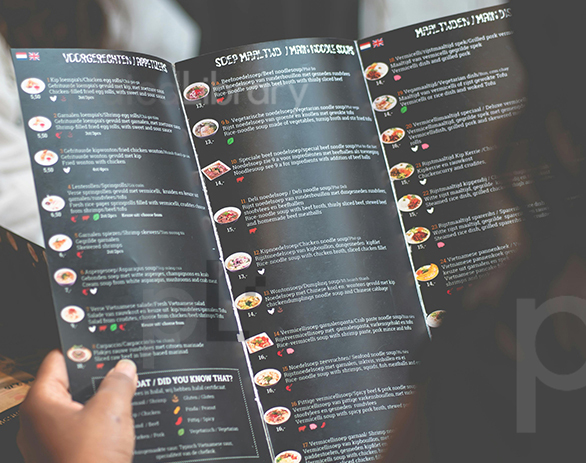
Customers browse menus category by category, such as starters, mains, combos, and desserts. When each category contains inconsistent image styles, the brain perceives it as unstructured and unreliable, increasing drop-off rates.
High-converting menus maintain consistency in:
- Camera angle across similar dish types
- Plate framing and spacing
- Lighting temperature and intensity
This consistency allows users to scan faster because they do not need to reprocess visual patterns repeatedly. The result is longer browsing sessions and a higher probability of order completion.
3. Portion Visibility Directly Impacts Add-to-Cart Decisions
One of the most overlooked factors in food images is portion communication. If the image does not clearly indicate portion size, customers hesitate, especially for higher-value items.
Effective images subtly solve this by:
- Using plate or container boundaries as a reference
- Showing ingredient density instead of empty spacing
- Avoiding extreme zoom that removes context
When portion clarity is visible, customers make faster quantity decisions, leading to higher addto-cart rates and reduced cart abandonment.
4. Ingredient Separation Improves Perceived Quality
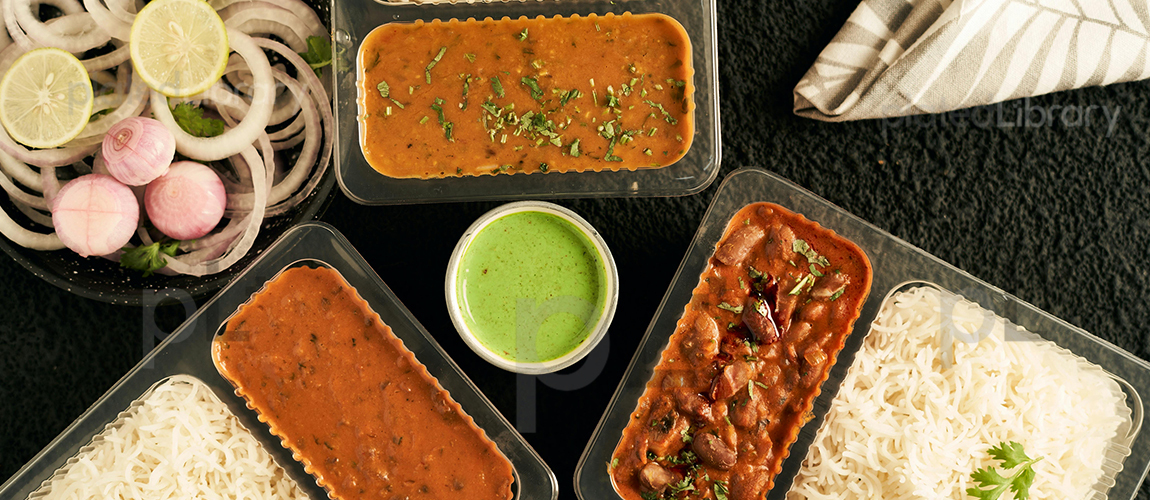
Customers do not just look for “good-looking food.” They look for ingredient visibility. When ingredients blend into each other visually, the dish appears heavy, unclear, or low-quality.
High-performing images maintain:
- Clear separation between components
- Distinct color contrast between ingredients
- Visible layering where applicable
This allows the customer to quickly interpret what they are ordering without reading descriptions. This clarity increases both trust and perceived freshness, which directly impacts conversion.
5. Image-to-Description Alignment Prevents Decision Conflict
One major reason for order hesitation is visual-text mismatch.
If the image shows one structure and the description suggests another, the brain experiences conflict, slowing down decision-making.
High-converting menus ensure that the image reflects the exact serving style and the visual matches the listed ingredients. When alignment is strong, the customer moves from viewing to ordering without second-guessing.
This reduces micro-friction at the final decision stage.
6. Strategic Image Distribution Increases Average Order Value
Not every item needs an image. Overloading the menu with visuals reduces focus. Instead, highperforming menus follow a selective image distribution model:
- Core items: high-quality images
- Add-ons: minimal or no images
- Combos: structured visuals showing value
This creates a visual funnel where customers are drawn toward specific items that define the order. When combo meals or bundled items are visually structured, they communicate value instantly, increasing average order size without additional discounts.
7. Image Sharpness Affects Perceived Freshness
Blur, noise, or low-resolution visuals signal staleness even if the food is fresh.
Sharp images with controlled lighting communicate fresh preparation, clean environment and most importantly? Attention to detail. This perception directly impacts whether a customer trusts the kitchen quality.
On delivery platforms where physical experience is absent, image sharpness becomes a proxy for food freshness.
8. Platform Compression Requires Image Optimization
Zomato and Swiggy compress images to optimize loading speed. If images are not preoptimized, compression leads to loss of detail, color distortion and reduced clarity.
High-performing images are designed with compression in mind by:
- Maintaining strong contrast before upload
- Avoiding overly dark or overly bright tones
- Ensuring clarity even after size reduction
This ensures that the image performs consistently across devices and network conditions.
9. Visual Sequencing Shapes Order Flow
Customers do not randomly select items. They follow a sequence such as starter, main, add-on, dessert. Menus that align images with this natural flow guide customers smoothly through the ordering journey.
When visuals are placed in a logical progression, they:
- Reduce decision fatigue
- Encourage multi-item orders
- Improve overall order composition
This transforms the menu from a static list into a guided ordering experience.
Conclusion
Food images are structural components of a high-converting menu system across Zomato, Swiggy, and restaurant platforms.
From thumbnail clarity to portion visibility and visual sequencing, every detail influences how quickly and confidently a customer moves from browsing to ordering.
Restaurants that treat food imagery as a performance layer rather than a design element consistently achieve stronger engagement, higher conversion rates, and higher order value.
For restaurants looking to build a conversion-focused visual system, platedLibrary provides professionally curated food images designed specifically for platform behavior, menu structure, and real ordering patterns.
Ready to remove friction from your menu and increase online orders? Explore platedLibrary and access food visuals designed for conversion and presentation.
FAQs
Because customers rely on visuals first. Without strong images, items fail to capture attention and get skipped.
Only key decision-driving items should have images to maintain focus and guide ordering behavior.
Yes, clarity and consistency in images directly influence perceived quality and reliability.
This usually happens when images attract attention but fail to provide enough clarity or confidence for final decisions.
Yes, clear and accurate visuals set correct expectations, reducing dissatisfaction and cancellations.