

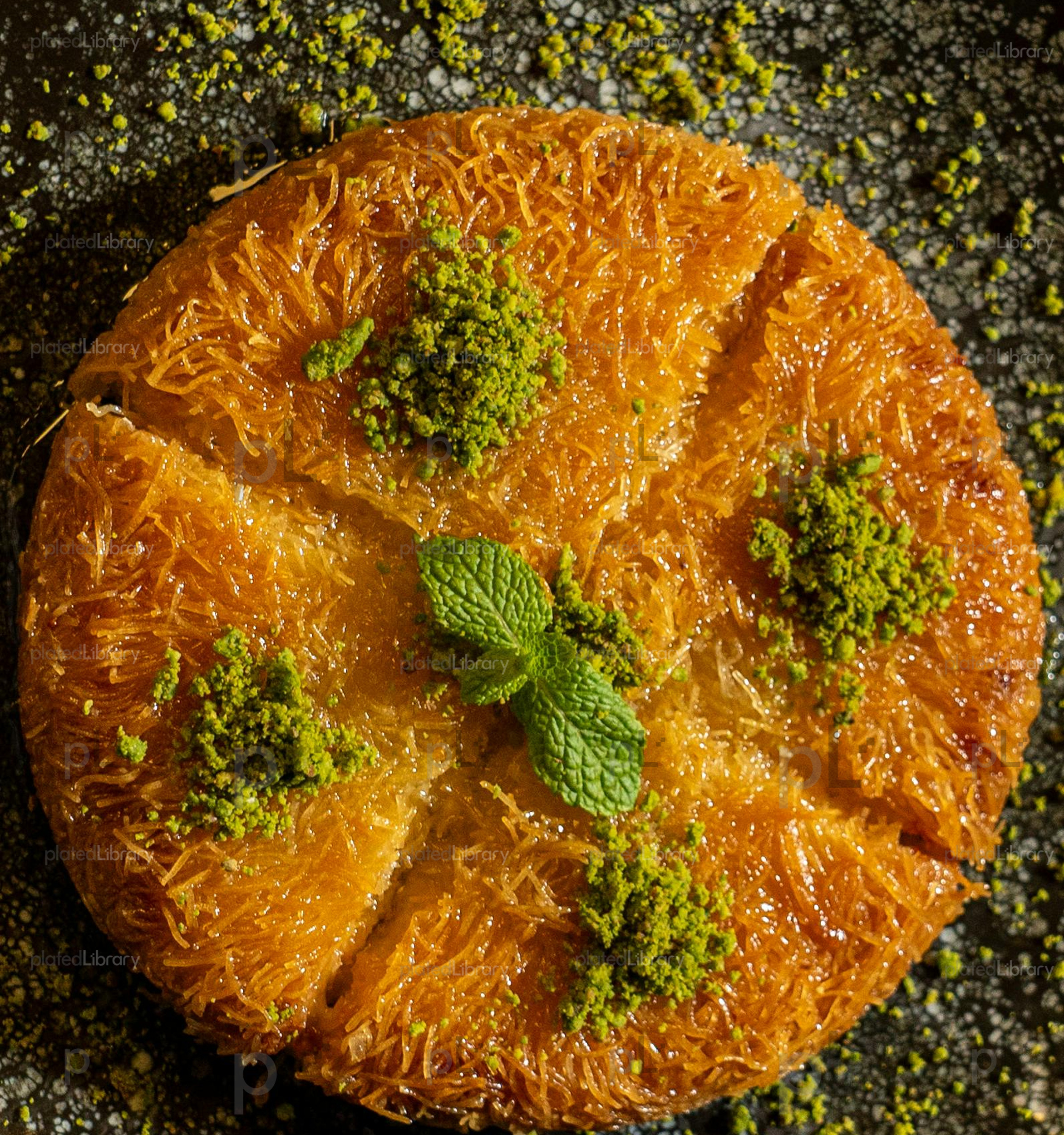
Why do customers scroll through your menu, pause for a second, and then leave without ordering?
It is rarely about pricing. It is rarely about cuisine. In most cases, it comes down to one simple gap: they cannot clearly see what they are buying to trust it.
According to industry data from platforms like Uber Eats and DoorDash, listings with highquality food images can increase conversion rates by up to 30%, while items without images often get ignored completely.
That means the difference between a full cart and an abandoned session often depends on one thing: how your food looks on screen.
When a customer cannot taste or smell your food, the image becomes the experience. It replaces the waiter’s recommendation. It replaces the restaurant ambiance. It becomes the final push.
So the real question is not “Do food images matter?” The real question is “How exactly do food images drive orders, and how can they be used strategically?”
This blog breaks that down with real insights, platform behavior patterns, and proven examples.
Why Food Images Matter in Online Ordering
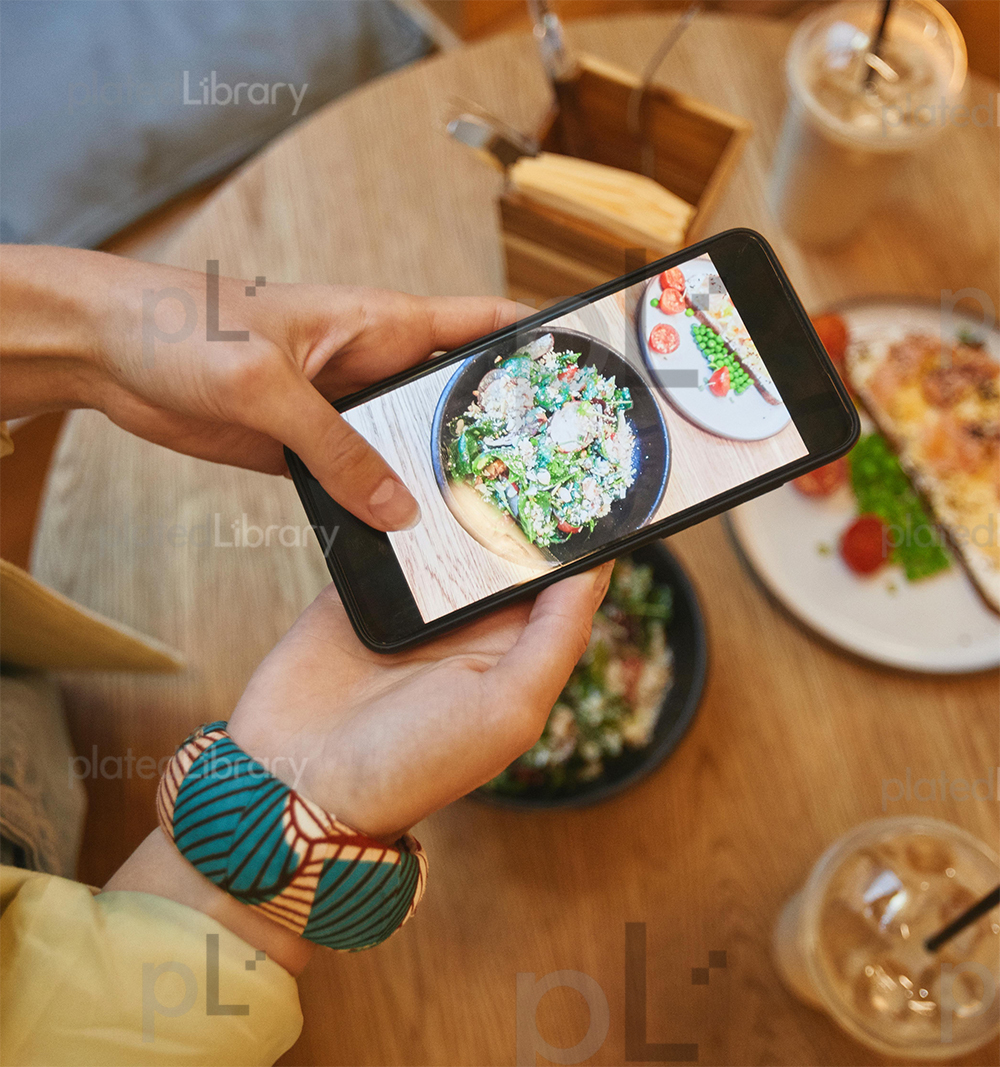
Online ordering is visual shopping. Customers cannot smell the food, touch the plate, or ask for a sample. Instead, they rely on a few cues: name, price, reviews, and the image.
Several delivery platforms and restaurant‑tech studies find that photo viewing is more important than long menu descriptions when people choose what to order.
High‑quality food photography also reduces uncertainty. When a burger looks crisp, the fries look golden, and the sauce is clearly visible, people feel more confident that the dish will match expectations. This simple visual reassurance can lift conversion on ordering platforms by 10 30%, depending on how many dishes include photos and how consistent the style is.
From a behavioral perspective, visual cues directly influence appetite and choice. Research on visual food cues shows that people are more likely to choose foods that look fresh, textured, and colorful, especially when they are hungry or browsing casually on their phones.
That is why a well‑framed pasta image, with sauce dripping and cheese visibly pulled, can outperform a clean, minimalist shot that looks more “stock” than “real‑world meal.”
Strategies That Actually Increase Online Orders Using Food Images
Food images work only when they are created with intent. Random photos or low-quality uploads do not create impact. The following strategies focus on how leading brands use visuals to directly influence ordering behavior.
Show the Final Experience, Not Just the Dish
Customers do not order ingredients. They order an experience.
A plain image of biryani in a steel container does not communicate value. But a well-composed image showing steam, layered rice, visible spices, and proper plating immediately signals freshness and richness.
Global brands like Domino’s redesigned their menu visuals to show cheese stretch, toppings clarity, and portion depth. This change directly increased click-through rates on their online menu.
The insight here is simple that customers should feel like they are already eating the dish just by looking at it.
Build a Distinct Brand Identity with Curated Food Visuals
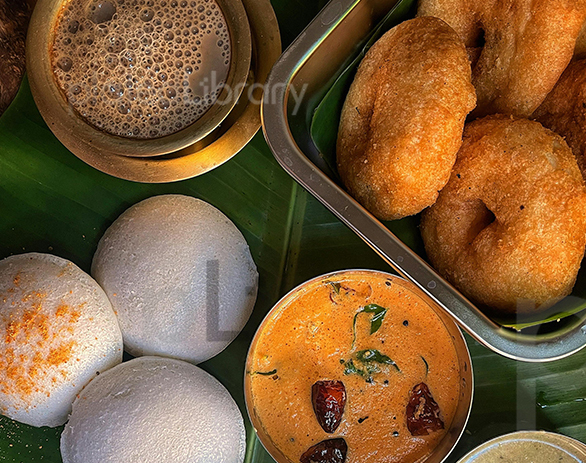
platedLibrary brings a brand-first approach to food visuals by offering a curated image library of Indian cuisine that is rooted in culture, styled by chefs, and captured with precision.
Instead of generic or overused visuals, it provides exclusively licensed, limited-edition imagery where each image has a single owner, ensuring true differentiation for your brand. With high- quality, consistent visuals across categories like South Indian, North Indian, sweets, street food, and bakery, businesses can maintain a premium and trustworthy digital presence.
We combine authenticity with convenience through easy pricing plans, seamless checkout, and a flexible credit system, helping restaurants and food brands access professional-grade visuals that align with their identity and drive stronger customer perception.
Use Close-Up Shots to Trigger Appetite
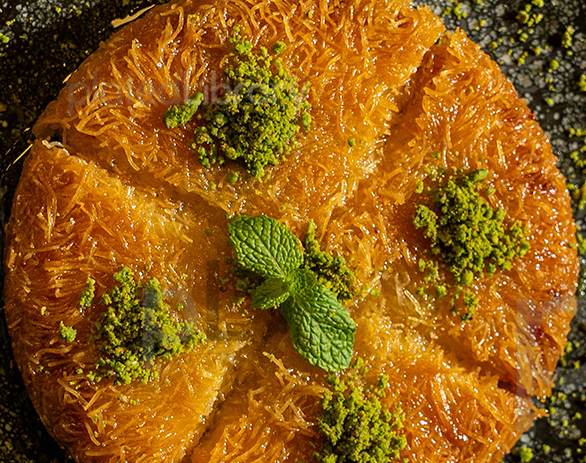
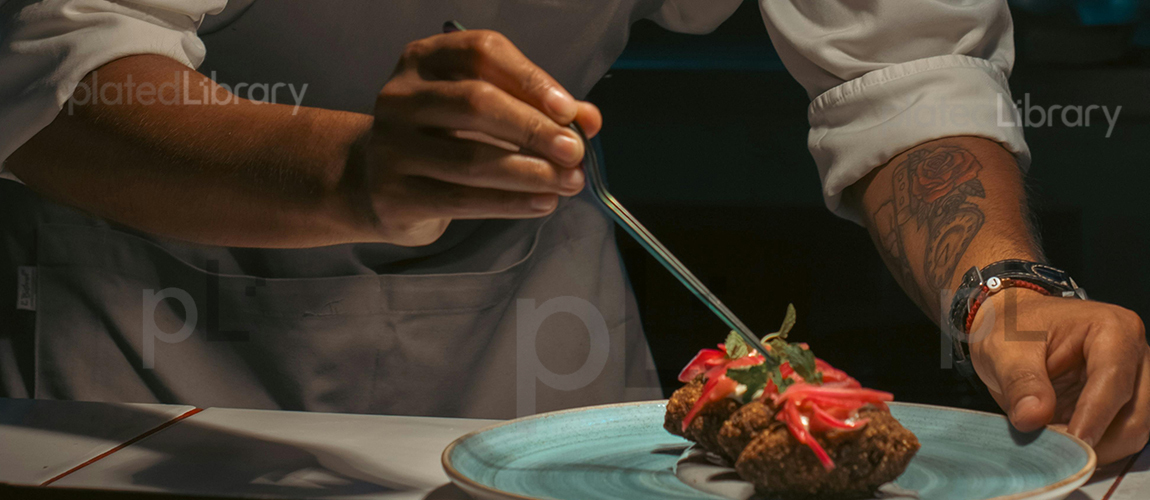
Distance in food photography creates emotional distance. Close-up images create detail. They show texture, oil shine, crispiness, and layers. These details activate appetite.
McDonald’s globally uses macro shots for burgers and fries to highlight texture and freshness. This is not random. It is designed to trigger instant hunger response.
When a customer sees crispy edges on a dosa or melted cheese on pasta, the decision becomes faster.
Maintain Consistency Across the Menu
Inconsistent visuals create distrust. If one dish looks professionally shot and another looks like a mobile photo, it signals inconsistency in quality. Customers subconsciously assume that food quality may also vary.
Brands that standardize their food photography across categories create a stronger perception of reliability.
Consistency in lighting, background, angles, and plating makes the entire menu feel premium and dependable.
Optimize Images for Mobile Viewing
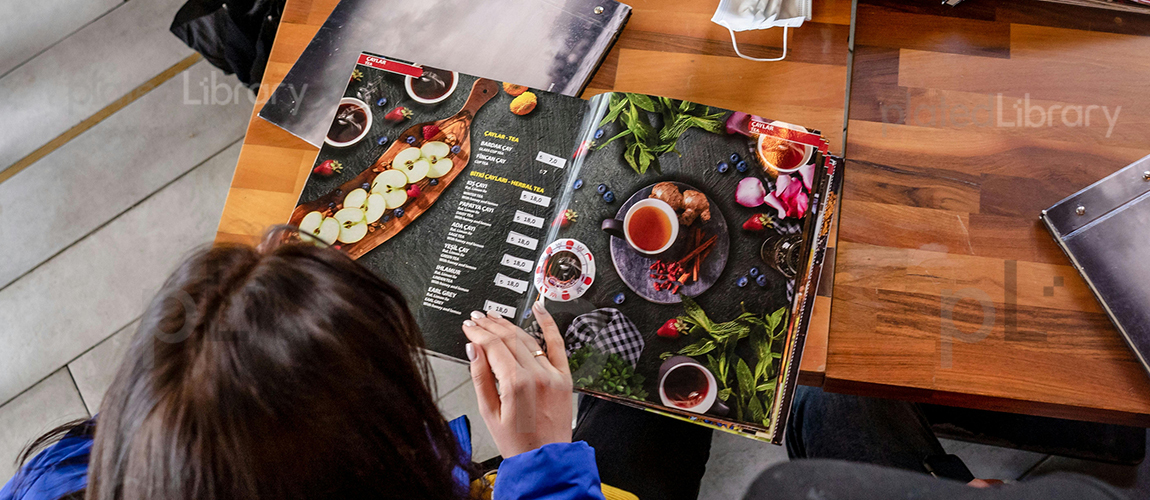
Most online food orders come from mobile devices. If the image is too dark, too cluttered, or not optimized for small screens, it loses impact.
High-performing restaurant listings use images that:
- Highlight the dish clearly even on smaller screens
- Avoid unnecessary background distractions
- Keep focus on the food, not props
Platforms like Uber Eats prioritize listings where images are clear and optimized, which increases visibility and impressions.
Highlight High-Margin Dishes Strategically
Not every dish needs equal visual focus. Smart restaurants identify high-margin or popular items and invest in stronger imagery for those.
For example, showcasing premium platters, signature dishes, or chef specials with better visuals increases their selection rate.
This is not just about aesthetics. It is about guiding customer choice toward profitable items.
Use Real Food, Not Over-Styled Visuals
Customers today are highly aware. Over-edited, unrealistic food images create a disconnect. If the delivered food does not match the image, it leads to dissatisfaction and negative reviews.
Brands that use realistic yet appealing visuals build long-term trust.
Sweetgreen, a US-based healthy food chain, uses real ingredient-focused visuals that reflect exactly what customers receive. This approach improves retention and repeat orders.
Create Category-Based Visual Flow
Menus with random image styles confuse users.
When images follow a structured flow, such as grouping similar dishes visually, it improves browsing experience.
For example:
- All desserts follow a similar lighting and background
- All main courses are shot from a consistent angle
- All beverages use a standard presentation
This structure helps customers scan faster and decide quicker.
Use Visual Contrast to Stand Out in Listings
On platforms like Zomato or Swiggy, your dish is competing with dozens of others on the same screen. If the image blends in, it gets ignored. High-performing images use contrast in color, lighting, and composition to stand out.
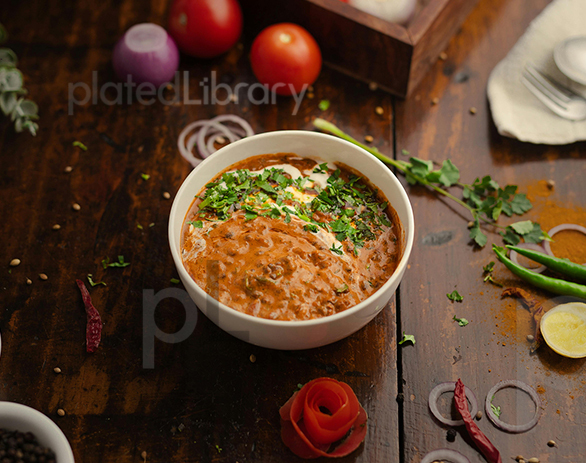
For example, a vibrant orange curry against a neutral background attracts more attention than a dull, low-contrast image. This directly impacts click rates.
Keep Updating Images Based on Performance
Food images should not be static. Restaurants that track which items get more clicks and orders continuously update their visuals.
If a dish is not performing well, improving its image often leads to immediate results without changing the recipe.
This approach turns food photography into an ongoing optimization process rather than a onetime task.
How Leading Brands Use Food Images as a Growth Lever
Several brands treat food images as a core marketing asset, not just a design element.
Domino’s invests heavily in food photography to ensure every menu item looks consistent across platforms. This directly supports their online first ordering strategy.
McDonald’s maintains strict global standards for food visuals to ensure that the customer expectation remains consistent across locations.
Sweetgreen focuses on ingredient transparency through visuals, which aligns with their brand positioning around health and freshness.
These brands are using visuals to control perception, influence behavior, and drive revenue.
Conclusion
Food images are no longer optional. They are one of the strongest drivers of online ordering behavior.
When done right, they reduce hesitation, build trust, and guide customer decisions. When ignored, they silently reduce conversions even if the food quality is excellent.
The difference between a scrolling customer and an ordering customer often comes down to a single image.
This is where a structured approach to food visuals becomes critical. We at platedLibrary help restaurants access high-quality, conversion focused food imagery that aligns with real customer behavior, not just design trends.
If the goal is to increase online orders, the focus should not only be on the kitchen. It should also be on how the food is presented before it reaches the customer.
FAQs
Food images can increase conversion rates by up to 30% because they reduce uncertainty and trigger faster decision-making during browsing.
Images fail when they are unclear, inconsistent, unrealistic, or not optimized for mobile viewing. Poor visuals create doubt instead of confidence.
Every key item should have a high-quality image, especially high-margin and popular dishes. These directly influence revenue.
Images should be reviewed regularly based on performance data. Low-performing items often benefit from updated visuals.
Realism with appeal is more important. Customers prefer images that match the actual delivered food while still looking appetizing.