

In-House Food Photography vs Outsourcing to a Food Image Library: Cost Comparison
in Uncategorized on September 23, 2026A restaurant may have great food, but if its online images look dull, inconsistent or poorly lit, customers may never get to experience it. The problem becomes bigger when you need fresh visuals for menus, social media, websites, blogs, advertisements and seasonal campaigns. Organizing a professional shoot every time can quickly become expensive and time-consuming.
Visual content has a real influence on restaurant marketing. A Toast survey found that 57% of respondents said pictures of food influence their decision to visit a restaurant. This makes food photography more than a design expense. It becomes part of how a restaurant presents its food and brand online.
So, what makes more financial sense? Should you invest in an in-house setup, or outsource your visual requirements to a professional food image library?
For restaurants and food businesses that need regular content, outsourcing can provide access to professional imagery without repeating the entire photography process for every campaign.
What is In-House Food Photography?
In-house food photography involves executing your brand’s visual production entirely with internal or directly contracted resources. This approach requires building a complete photography setup within your organization, purchasing high-end camera gear, hiring full-time or freelance creative staff, and managing every stage of the production lifecycle, from food styling to post-processing retouching.
Why In-House Photography Matters
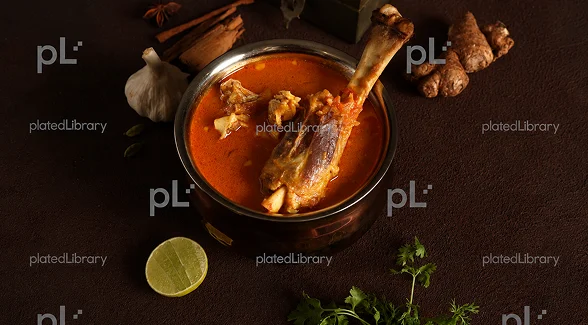
For brands with highly customized products, proprietary recipes, or strict operational guidelines, in-house photography offers maximum control over creative direction.
- Complete Creative Control: You dictate every detail, from lighting angles and props to exact brand color palettes.
- 100% Brand Authenticity: The dish on camera is the exact dish produced in your commercial kitchen.
- Tailored Product Representation: Essential for brands selling proprietary packaged goods or signature dishes that cannot be replicated.
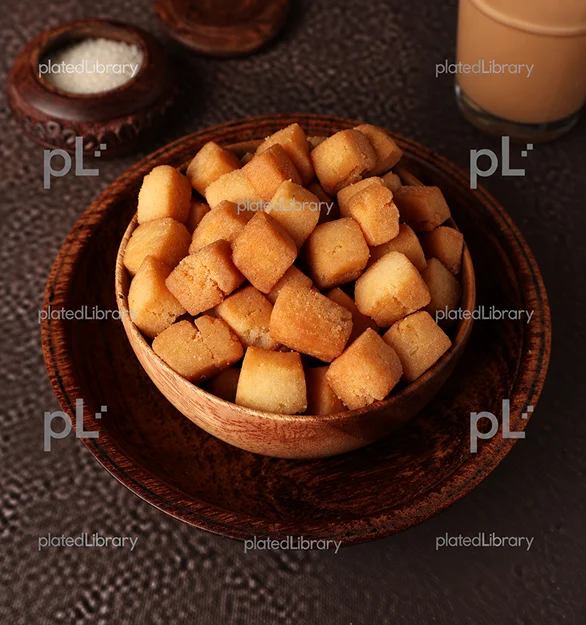
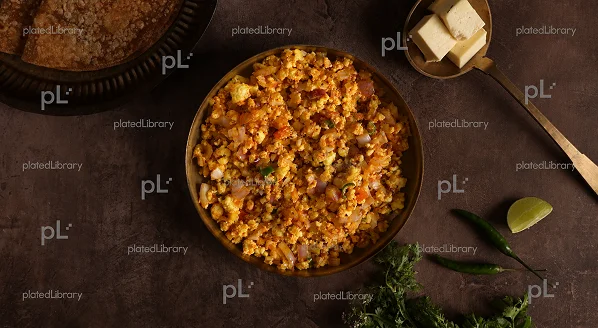
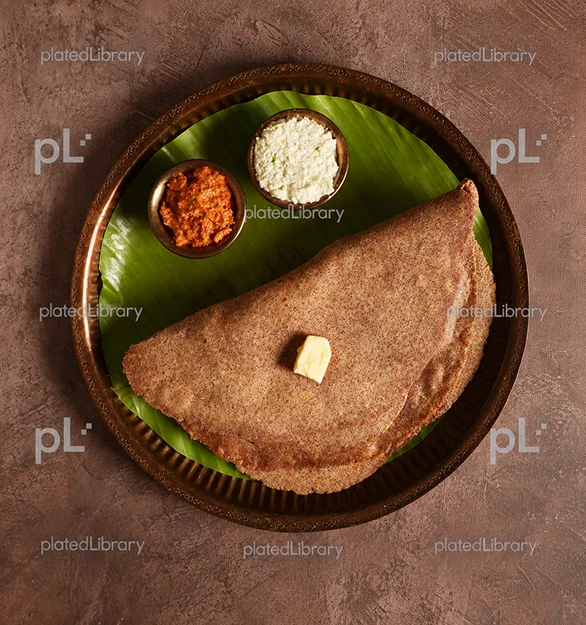
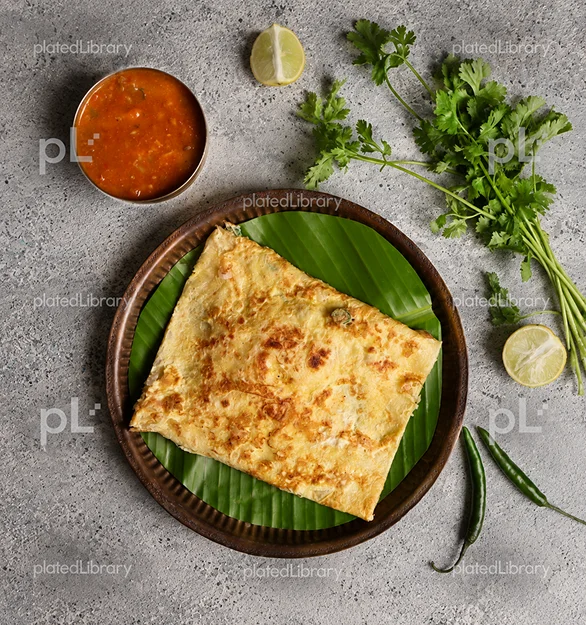
However, full creative control comes with substantial operational overhead. Creating consistent Indian food pictures in-house, where complex curry textures, rich garnishes, and intricate spice blends demand specialized lighting and expert styling, often requires hiring elite culinary visual experts, driving total costs even higher.
What is Outsourcing to a Food Image Library?
Outsourcing to a specialized food image library means licensing professionally produced, ready-to-use food photography from curated, industry-specific visual platforms. Unlike generic, multi-topic stock platforms that carry flat, uninspiring imagery, dedicated food image libraries specialize exclusively in high-end culinary photography crafted by professional food stylists and commercial photographers.
Why Outsourcing to an Image Library Matters
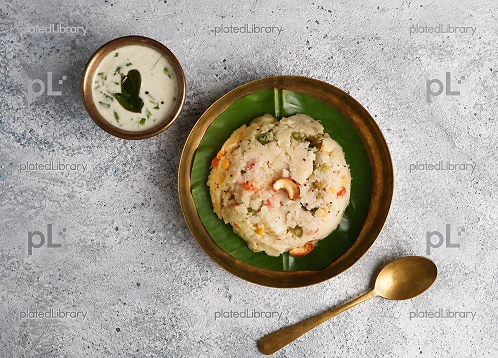
In a digital space where brands need fresh content daily for social media, newsletters, performance ads, and blogs, speed and cost efficiency are paramount.
- Massive Cost Savings: Eliminates upfront hardware investments, studio overhead, and day-rate talent costs.
- Instant Accessibility: Download campaign-ready, high-resolution visual assets in seconds rather than waiting weeks for post-production.
- Scale and Variety: Access thousands of diverse culinary styles, regional cuisines, and seasonal themes at a fraction of a photoshoot cost.
Need rich, vibrant Indian food pictures for a regional festival campaign? Instead of sourcing authentic brass utensils, preparing complex dishes, and setting up traditional lighting, outsourcing lets you license hyper-realistic, mouth-watering imagery instantly.
Direct Cost Comparison Table: In-House vs Outsourcing
To see where your budget actually goes, here is a detailed breakdown comparing the financial requirements of maintaining an in-house photography ecosystem versus outsourcing to a professional food image library.
| Cost factor | In-house photography | Food image library |
|---|---|---|
| Camera/equipment | Initial and ongoing investment | Usually not required |
| Lighting and props | Additional cost | Included in created imagery |
| Food styling | Staff or specialist time | Already professionally created |
| Staff hours | Required for shooting and editing | Minimal internal effort |
| Production time | Can take days or longer | Images can be accessed quickly |
| Consistency | Depends on internal skills | Professional library standards |
| Exact restaurant dish | Strong advantage | Usually not the exact dish |
| Regular marketing content | Requires repeated shoots | Useful for recurring needs |
| Custom requirements | Highly flexible | Depends on available library/custom services |
| Scaling content | Can become resource-heavy | Easier to expand image selection |
Which is Better? Why Outsourcing to a Food Image Library Wins for Scalable Growth
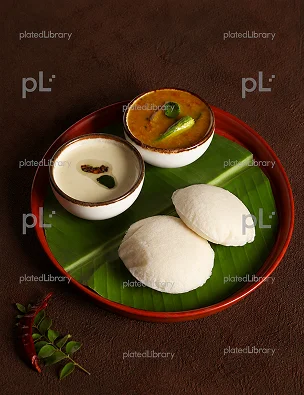
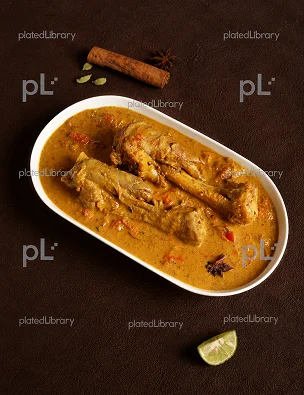
When evaluating long-term business sustainability, outsourcing to a dedicated food image library consistently outperforms in-house setups for marketing campaigns, digital content, and brand publishing. Research shows that brands relying on pre-curated image libraries and modern visual tools reduce their content production costs by up to 90% compared to traditional on-demand photoshoots.
Here are 8 core reasons why outsourcing your visual content is the smarter financial and strategic move:
1. Zero Upfront Capital Expenditure
Building an in-house setup requires buying cameras, lenses, lighting rigs, backdrops, and editing software. When you factor in continuous hardware upgrades and routine maintenance, capital expenditure escalates rapidly. Outsourcing converts huge upfront fixed costs into predictable, manageable operating expenses.
2. Elimination of Hidden Production Expenses
A photoshoot quote is rarely the final cost. In-house or custom shoots always carry hidden line items:
- Food stylist day rates
- Studio rentals
- Ingredient wastage and grocery expenses
- Post-production retouching fees
Outsourcing eliminates every single one of these variable costs. You pay a simple subscription or per-image license fee with zero surprise invoices.
3. Rapid Turnaround and Campaign Agility
How quickly can your team react to a trending social topic or launch a flash sale? An in-house shoot requires days (or weeks) of planning, prop sourcing, scheduling, and editing. With a specialized food image library, your creative team can find, download, and publish studio-grade visuals in minutes, keeping your brand agile.
4. Effortless Diversity in Culinary Styling
Shooting a wide variety of regional cuisines or specialized dietary trends in-house requires immense creative bandwidth. Capturing authentic regional dishes demands expensive prop collection and specialized styling expertise. Dedicated image libraries offer pre-styled, authentic visual collections ready for immediate deployment.
5. Risk-Free Scalability
When your brand grows, your content demands multiply. Scaling an in-house production team means hiring more photographers, buying more gear, and renting larger spaces—taking on massive financial risk. Outsourcing scales effortlessly; whether you need 5 images this month or 500 images next month, your infrastructure costs remain completely stable.
6. Consistent Commercial Quality and Color Grading
In-house shooting often suffers from inconsistency—lighting shifts between shoot days, different freelance stylists yield varied aesthetics, and post-production edits can feel disjointed. Professional food image libraries maintain strict quality standards, delivering cohesive color grading, cinematic depth of field, and perfect lighting across entire image suites.
7. Zero Creative Burnout for In-House Teams
When internal teams are burdened with routine shoot logistics, prop curation, setting up lights, and processing hundreds of RAW files, creative fatigue sets in fast. Outsourcing routine visual needs frees up internal strategists and designers to focus on high-level campaign ideas, branding, and conversion optimization.
8. Built-in Licensing Protection and Usage Rights
Managing copyright releases, model contracts, and property rights for custom photoshoots can become a legal headache if handled incorrectly in-house. Top-tier food image libraries provide crystal-clear commercial usage licenses right out of the box, guaranteeing full legal safety for paid advertising, digital billboards, and print packaging.
Conclusion
While in-house food photography gives you absolute control over custom dish presentation, its high overhead, hidden expenses, and slow turnarounds make it difficult to scale efficiently. For brands, marketers, and digital creators looking to maintain high visual standards while keeping production budgets under control, outsourcing to a dedicated food image library is the clear winner.
If you are ready to eliminate high photoshoot bills and elevate your brand’s visual identity, explore Plated Library. At Plated Library, we offer a rich, curated collection of studio-grade culinary visuals, including authentic, vibrant food imagery, crafted specifically for modern marketing campaigns. Save time, reduce costs, and scale your content seamlessly today!
FAQs
Yes, significantly. Hiring a photographer along with stylists and studio space can cost thousands of dollars per shoot. Stock libraries allow you to license commercial-grade images at a tiny fraction of that cost.
Not if you choose a specialized library like Plated Library. Unlike generic stock sites, specialized libraries offer curated, high-end visual sets that look completely custom, stylish, and premium.
Yes. Images downloaded from specialized platforms come with clear commercial licensing terms, allowing you to legally use them across social media ads, websites, packaging, and print media.
In-house shoots are ideal when you sell proprietary packaged food products or signature menu items where the exact shape, packaging, or appearance must be 100% identical to the real product served.
Standard stock platforms often offer generic, over-processed images that feel artificial. Specialized food libraries focus exclusively on authentic lighting, professional culinary styling, and appetizing presentation, delivering far superior visual quality.