

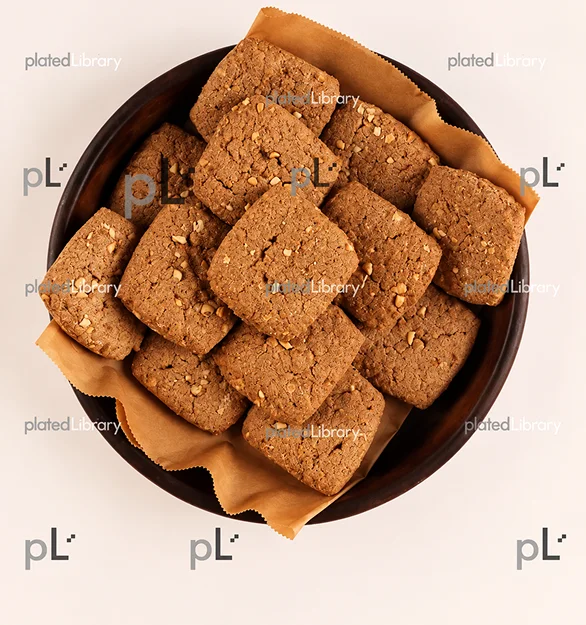
How Traditional Food Photos Celebrate India’s Rich Culinary Culture
in Uncategorized on October 5, 2026India’s culinary diversity is so vast that a single plate can tell a story of geography, community, history, agriculture, and family traditions. India recorded 2,948.19 million domestic tourist visits, showing the enormous scale of movement within the country, and every journey can also become a journey through regional food.
Yet there is a challenge: many traditional dishes are known only within particular communities or regions. A recipe may be familiar in one household but completely unknown to someone hundreds of kilometers away. This is where food photography becomes more than simply taking an attractive picture.
Traditional food images can preserve memories, showcase regional identity, and introduce people to dishes they may never have encountered before.
Why Food Is an Important Part of Indian Culture
In India, food has always been closely connected with everyday life. Meals are associated with festivals, religious occasions, family gatherings, seasons, celebrations, hospitality, and even specific communities.
The Government of India describes Indian cuisine as a collection of diverse regional cuisines shaped by differences in soil, climate, culture, ethnic groups and occupations. It also notes that traditional foods often rely on locally available ingredients.
Think about how different Indian food can be from one region to another.
A South Indian breakfast might feature idli, dosa, vada and sambar. Travel towards Punjab and the food culture changes to include makki di roti, sarson da saag and rich lassi. In Rajasthan, ingredients and cooking methods reflect the region’s environment, while Bengal is celebrated for its distinctive fish preparations, rice dishes and sweets.
The food changes, but the cultural importance remains. This is precisely why photographs can be powerful cultural records.
How Traditional Food Images Preserve Culinary Heritage
Recipes can be written down, but photographs preserve something that words sometimes cannot, the appearance, texture, presentation and atmosphere surrounding food.
Imagine looking at a photograph of a traditional banana-leaf meal. You may immediately notice the arrangement of rice, vegetables, chutneys, curries, sweets and accompaniments. The photograph gives you a visual introduction before you even learn the names of the dishes.
Similarly, a photograph of a Punjabi thali can communicate abundance and hospitality, while an image of a Kashmiri wazwan can highlight the importance of communal dining and elaborate preparation.
Traditional food images can therefore act as visual records of culinary traditions. They can document dishes, serving styles, utensils, ingredients and regional presentation methods that might otherwise be overlooked.
This becomes particularly valuable as food habits evolve.
Modern restaurants may reinterpret traditional recipes, convenience foods may replace time-consuming preparations, and younger generations may become less familiar with certain regional dishes. A well-created food photograph can keep the visual memory of those dishes alive.
Food Photography Captures India’s Regional Diversity
One of the most fascinating things about Indian cuisine is that there is no single definition of “Indian food.”
The Government of India has highlighted how regional cuisines differ significantly because of geography, climate, culture and locally available ingredients. Photography can make this diversity immediately visible.
North India
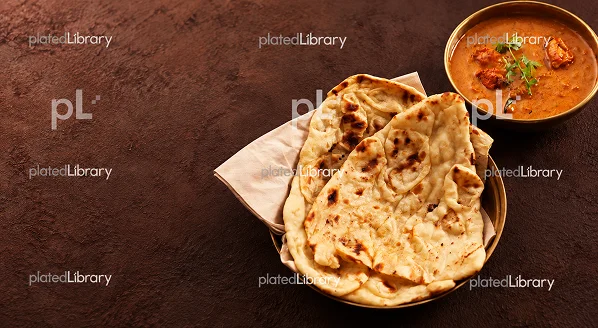
Photographs of North Indian food often showcase breads, curries, dairy products, grilled preparations and rich gravies.
A beautifully photographed plate of butter chicken with naan communicates something very different from an image of a simple bowl of rajma chawal. Both, however, represent familiar parts of North Indian food culture.
South India
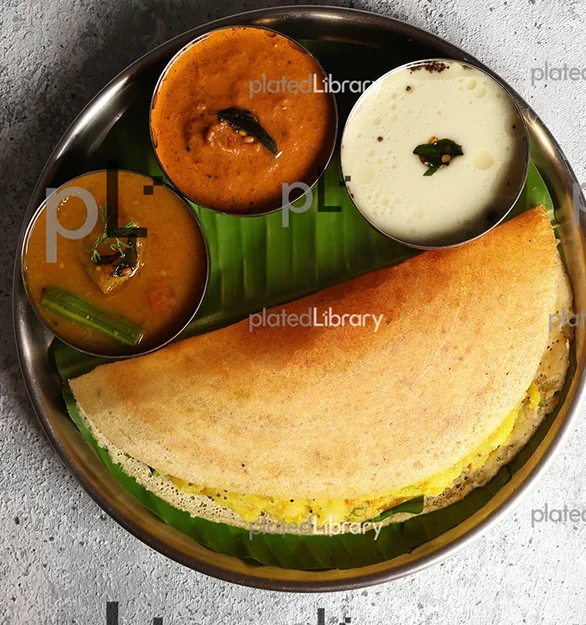
South Indian cuisine offers an enormous variety of textures and colors. A photograph of a crisp dosa served with coconut chutney and sambar immediately communicates contrast, golden, crunchy, soft, creamy and colorful elements on one plate.
A traditional Kerala sadya takes visual storytelling even further. Numerous vegetarian dishes arranged on a banana leaf demonstrate how food presentation itself can become part of a cultural experience.
Western India
From Gujarati thali to Goan dishes and Maharashtrian street food, Western India offers distinctive culinary traditions.
A photograph of a Gujarati thali, for example, can highlight the variety of small servings arranged around the main meal. Each component contributes a different flavor, texture and color.
Eastern and Northeastern India
Eastern and Northeastern cuisines are equally important to India’s culinary story.
Bengali fish preparations, Assamese dishes, Manipuri cuisine and foods from Nagaland and other Northeastern communities demonstrate how ingredients, landscapes and cultural practices influence food.
Photography helps these cuisines receive visual attention beyond their immediate regions.
Traditional Food Photography Tells Stories Beyond the Plate
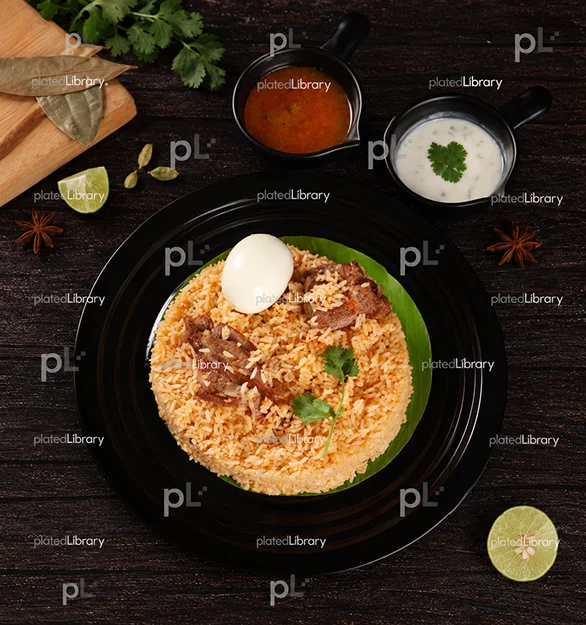
Have you ever looked at a food photograph and immediately thought about a family meal? That emotional response is one of the strongest qualities of food photography.
A photograph does not necessarily have to show an elaborate restaurant setup. Sometimes, a simple image of homemade food can be more meaningful.
Consider a photograph of freshly prepared puris beside a bowl of halwa during a festival. The image can suggest celebration, family, tradition and nostalgia without explaining any of those ideas directly.
Likewise, a picture of grandmother’s homemade pickle can evoke memories of summers spent preparing food for the entire family. Food photographs can therefore document experiences, not just recipes.
The Role of Ingredients in Traditional Food Images
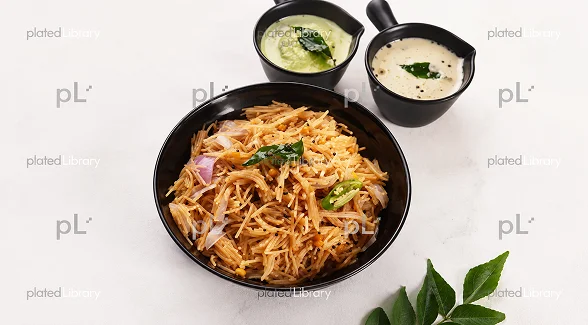
Ingredients are an important part of India’s culinary identity, and photography can bring them into focus.
Turmeric, cardamom, mustard seeds, curry leaves, coconut, tamarind, saffron, chilies, lentils and countless regional ingredients each contribute to the country’s culinary vocabulary.
A photograph showing fresh ingredients alongside a finished dish can tell a more complete story.
For example, an image of coconut, curry leaves and spices beside a South Indian curry connects the final dish with the ingredients that give it character.
This approach can also help viewers understand that traditional cooking is often closely connected to local agriculture.
The Government of India notes that Indian regional cuisines make extensive use of locally available spices, herbs, vegetables and fruits.
Food Photos Connect Generations
Recipes are frequently passed from parents and grandparents to younger family members.
But today’s younger generations also consume and share food visually through digital platforms. This creates an interesting opportunity.
A photograph of a traditional dish can become an entry point for someone who has never tasted it. They may see the image, become curious about its ingredients, search for its history and eventually try preparing it.
In this way, photography can support intergenerational cultural exchange. The image starts the conversation:
- “What is this dish?”
- “Who taught you how to make it?”
- “Why do we prepare it during this festival?”
- “Which region does it come from?”
These simple questions can lead to stories that might otherwise remain within families.
Traditional Food Images and Festivals
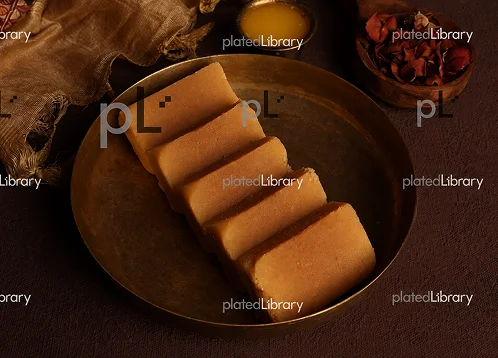
Indian festivals are closely associated with special foods.
Diwali brings sweets and savories. Pongal celebrates a harvest tradition with distinctive preparations. Onam is associated with the elaborate sadya. Eid brings a variety of celebratory dishes, while regional festivals introduce countless other culinary traditions.
Photography allows these seasonal foods to be documented year after year.
UNESCO added Deepavali to the Representative List of the Intangible Cultural Heritage of Humanity in 2025, describing it as a festival celebrated by diverse communities across India and associated with the end of one harvest and the beginning of a new year and season.
This demonstrates how cultural traditions can enhance far more than individual objects or monuments. Food, celebrations, practices, and shared experiences also contribute to cultural identity.
Why Authenticity Matters in Traditional Food Photography
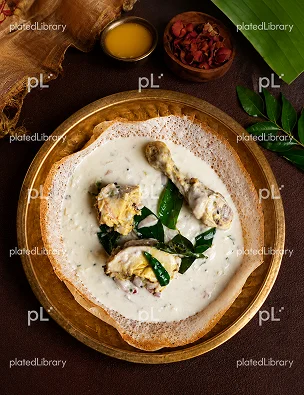
When photographing traditional cuisine, presentation should enhance the story rather than erase it.
Over-styling a dish can sometimes make it look disconnected from its cultural context. Authentic serving vessels, regional ingredients, traditional table settings and familiar presentation styles can make photographs more meaningful.
For instance, photographing a traditional meal in the utensils commonly associated with it may communicate more cultural information than placing the same food on a generic modern plate.
The goal is not simply to make food look beautiful. It is to make the viewer curious about where the food comes from, who prepares it and why it matters.
Building a Visual Library of India’s Food Heritage
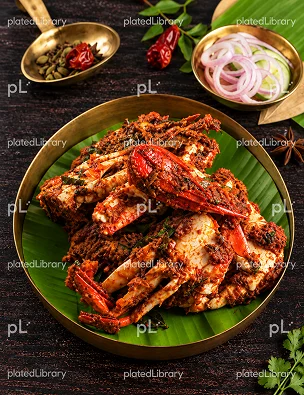
A carefully organized collection of food photographs can become a valuable cultural resource.
Imagine a visual library containing dishes from different Indian states, communities, festivals and seasons. Each photograph could be accompanied by the dish’s name, region, ingredients and cultural context.
Over time, such collections can help researchers, food writers, chefs, educators, travel businesses and families discover and document India’s culinary diversity.
This is especially useful in a country where food traditions can vary dramatically even between neighboring communities.
Conclusion
Indian food represents memories, traditions, regional landscapes, celebrations, family knowledge and generations of culinary creativity.
A photograph cannot reproduce the aroma of freshly tempered spices or the warmth of a family meal, but it can preserve how that food looked and create curiosity about the story behind it.
Looking to discover, preserve and showcase authentic food imagery? Explore Plated Library to find visual inspiration that brings food stories and culinary traditions to life.
From everyday homemade meals to elaborate festival spreads, traditional food images celebrate the extraordinary variety of India’s culinary culture while helping these traditions remain visible for future generations.
FAQs
They visually document dishes, ingredients, presentation styles and cultural traditions, helping preserve and communicate culinary heritage.
They can showcase regional ingredients, cooking styles, serving methods, festivals and the social traditions associated with different foods.
Yes. Engaging photographs can introduce audiences to unfamiliar dishes and encourage culinary exploration and tourism.
Authenticity comes from accurately representing the dish, ingredients, cultural context and traditional serving or presentation practices without unnecessarily changing their character.
A curated resource such as Plated Library can help you discover food imagery for creative, editorial, educational and culinary storytelling projects.