

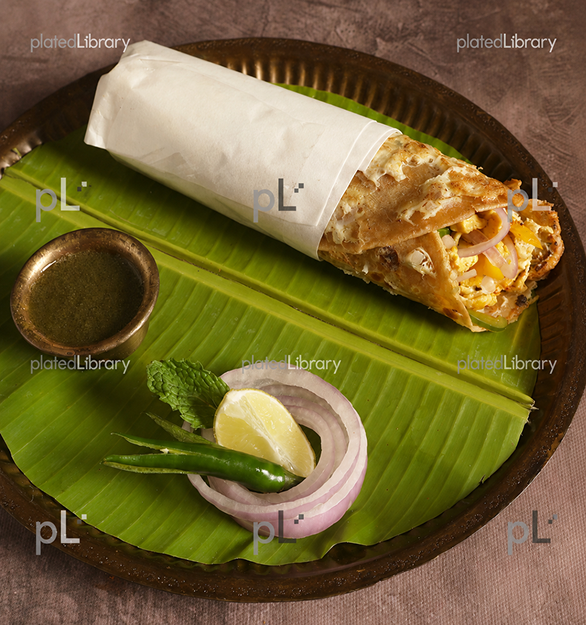
You’ve probably seen it. A plate of butter paneer that looks almost perfect, with rich gravy, soft cubes, and just the right shine that pulls you in instantly. But then a simple thought comes to your mind about whether it will actually look like this when it reaches your table, and that small moment of doubt starts to change how you see the image.
AI tools like Midjourney and DALL·E are making it easier for businesses to create food visuals quickly, since they reduce effort, save time, and produce images that look polished at first glance. The visuals people see through these tools often shape expectations that don’t fully align with what’s delivered in real life, which can affect how customers respond.
In this blog, you will understand where AI-generated food images fall short and why real food photography continues to play a stronger role in shaping customer trust, appetite, and buying decisions.
So Why Aren’t AI Food Images Enough?

AI food visuals have grown quickly with the demand for faster and more frequent content, making it easier for even small restaurants to create high-quality images without a full photoshoot. This convenience has led many brands to use AI for menu mockups, early ideas, and social media content.
However, when it comes to real customer decisions, visuals need to feel honest and relatable, and that is where AI-generated images still fall short.
Here are the key reasons why AI visuals can’t replace real food photography:
- Lack of authenticity
AI images aren’t based on a real dish, so customers can’t be sure if what they see will match what they receive
- Weak sensory connection
They don’t clearly show texture, freshness, or temperature, which makes it harder for customers to imagine the actual eating experience
- Risk of misleading expectations
When the delivered food doesn’t look like the image, customers feel disappointed and may lose trust in the brand
- No clear brand identity
AI visuals don’t consistently reflect a brand’s style, which makes it difficult to build a strong and recognisable image
- Lower impact on conversions
Uncertainty around the image can make customers hesitate, which reduces the chances of them placing an order
- Consistency issues
AI-generated images can vary in style, so it becomes difficult to maintain a uniform look across menus, websites, and social media
This is why, even with all the convenience AI offers, real food photography continues to play a critical role in how customers perceive and trust a brand.
Where Real Food Photography Outperforms AI Images
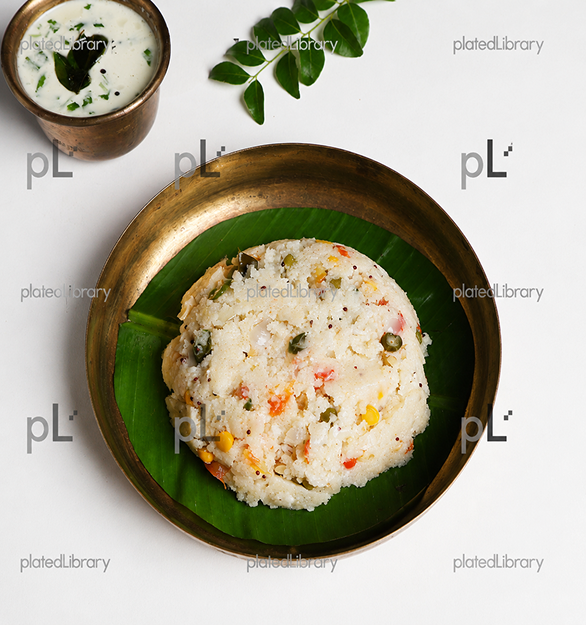
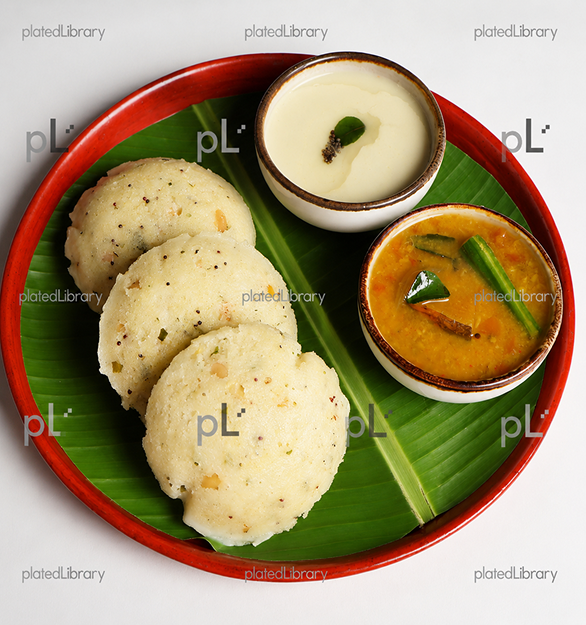
The difference becomes clear when you look at how people actually respond to food visuals. Some images simply attract attention, while others influence real decisions and build lasting trust.
- Real Food Photography Builds Trust
Customers rely on food images to make quick decisions, especially when they can’t see the dish in person. In that moment, the visual becomes the closest thing to the actual experience. If it feels accurate, they move forward. If it feels uncertain, they hold back.
Real food photography sets the right expectation from the start. It reflects the actual portion, texture, and presentation of the dish, so customers know what they’re ordering. That clarity builds confidence, and confident customers are far more likely to place an order.
- Real Food Photography Captures Sensory Experience
A strong food image should help people imagine what it feels like to eat the dish. Texture, warmth, and freshness need to come through clearly, because that’s what builds real appetite.
Real food photography captures these cues as they are. The steam from hot food, the natural shine of ingredients, and the contrast in textures come through clearly and make the dish feel immediate and real, subtle cues which can be oftenly missed by AI-generated images making it harder to create the same sense of connection.
- Brand Identity and Visual Consistency
Restaurants and food creators are often recognised through how their visuals look. The way dishes are presented, the colours used, and the overall mood, all shape how people remember them.
Real food photography helps maintain that consistency. It keeps the visual style aligned across menus, websites, delivery platforms, and social media, so over time, customers begin to recognise and trust that look. AI-generated images don’t follow a fixed style, which makes it harder to build that same level of recognition.
- SEO, Platform, and Practical Risks of AI Images
AI images may feel like a quick solution when you need content fast. But there’s still uncertainty around ownership and usage rights, which can become a problem when you start scaling or reusing those visuals across platforms.
Search engines and platforms are also moving towards content that feels real and experience-based. When your images are original and directly tied to your actual dishes or products, they support better visibility and help you stay aligned with platform expectations.
Where AI Food Images Actually Fit

AI food visuals can be useful when they’re used at the right stage. They help speed up the early part of the process, especially when you’re still figuring out ideas or planning a shoot.
They work well for concept visualisation, mood boards, and testing different plating styles before anything is finalised. Some teams also use them for low-risk content where accuracy is not critical, and expectations are already clear.
At the same time, AI works best as a support tool and not as the final output. It can help generate ideas and improve planning, but real photography is what brings credibility to the final image.
Many photographers and creative teams are already combining both. They use AI to explore directions and then rely on real photography to deliver visuals that feel accurate and relatable. That balance helps maintain efficiency without losing the connection customers expect.
Conclusion
Food connects people in quiet, personal ways. It sits in everyday routines, small celebrations, and moments of comfort. The image someone sees first shapes how they feel about it, even before they take a bite. Real food photography captures that feeling as it is, with details that feel familiar and easy to trust.
If you’re building something people should remember, your visuals need to reflect what you actually serve. When your images feel real, people respond with confidence. platedLibrary helps you create customised food visuals and gives you access to real, high-quality images that are crafted to match your brand and are exclusive to you. Reach out today.
FAQs
Yes, they can help in the early stages when you need quick visuals for planning or testing ideas. But for menus, ads, or delivery platforms, real food photography helps customers trust what they see and feel more confident about ordering.
Real images reduce uncertainty. When customers clearly understand what they will receive, they feel more comfortable placing an order. That sense of clarity often leads to quicker decisions, fewer complaints, and better overall experience with your brand.
You can work with platforms like platedLibrary that offer customised food visuals and exclusive, ready-to-use images. This makes it easier to maintain consistency while ensuring your visuals look real and match what you actually serve.